
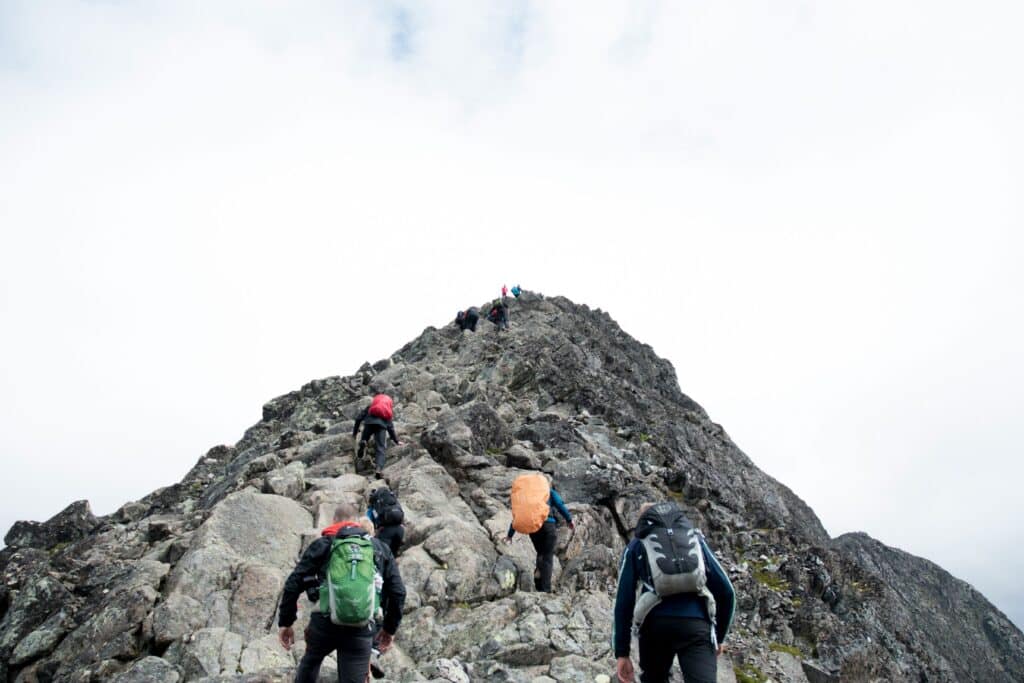
Resilience is often misunderstood as toughness – endless stamina, emotional suppression, or the ability to keep pushing no matter the cost.
But in leadership, real resilience looks very different. It’s often quieter, steadier, and far more influential than people realise.
True resilience isn’t about pretending pressure has no effect. It’s about staying regulated under stress, recovering well, and modelling a way of working that can actually be sustained over time. Whether consciously or not, leaders teach resilience every day.
People pay close attention to how leaders respond when things go wrong. They notice how stress is handled, how mistakes are discussed, and whether rest is seen as a weakness or a sign of wisdom. Over time, leaders do more than manage workloads – they shape the emotional climate around them.
Burnout cultures rarely emerge from hard work alone. More often, they grow in environments where depletion is normalised, urgency becomes constant, and leaders signal (intentionally or not) that coping means carrying pressure silently.
And perhaps that’s the deeper question every leader leaves behind: What did people learn from my example?
Did they learn healthy ambition, self-awareness, and steadiness under pressure? Or did they learn survival mode – pushing through exhaustion, suppressing stress, and mistaking overextension for commitment?
Resilient leadership isn’t about doing less. It’s about doing what matters most with clarity, boundaries, and recovery built in. When leaders model this well, they give others permission to perform at a high level without sacrificing their wellbeing in the process.
Long after the targets, deadlines, and KPIs have faded from memory, people will remember how leadership made them feel. They’ll remember whether it cost them their health or helped them grow.
To continue the conversation, leaders are invited to join our upcoming resilience and sustainable leadership training session as part of our Leadership Legacy series.
Designed for leaders navigating pressure, performance, and people responsibility, the session explores how to model resilience in a way that strengthens both wellbeing and results. Through practical tools, reflection, and real-world discussion, leaders will build the awareness and confidence to create healthier team cultures – where high performance is sustained not through exhaustion, but through clarity, consistency, and recovery.
Events
-
-
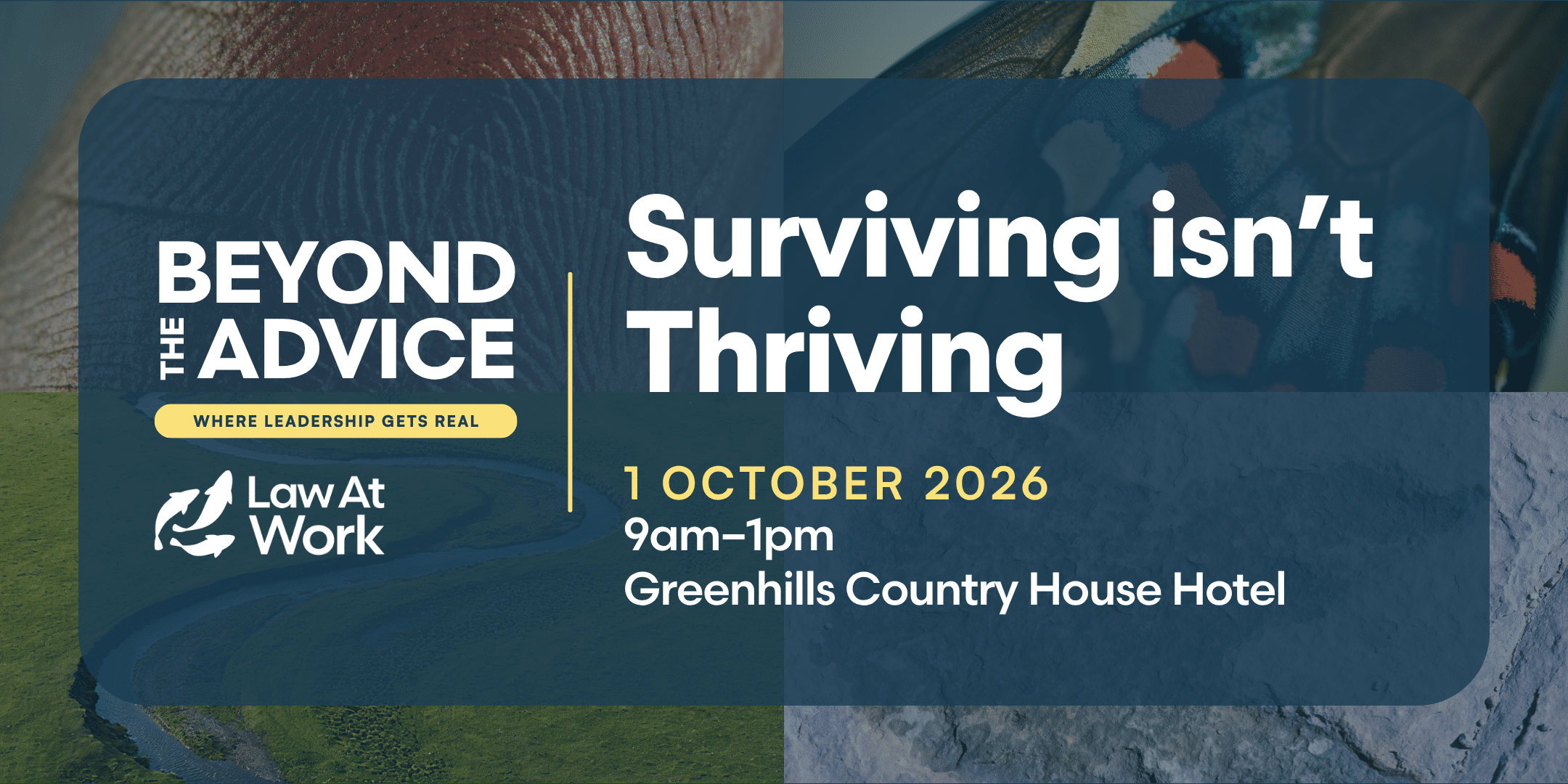
Beyond the Advice: Surviving isn’t Thriving
Greenhills Country House Hotel Mont de L'Ecole, St Peter, Jersey, United KingdomResilience isn’t about pushing harder. Discover practical tools to stay clear, steady, and effective under pressure without burnout.