
Health surveillance is a proactive system of ongoing health checks aimed at identifying early signs of work-related ill health. When implemented correctly, it serves as a vital tool for protecting your workforce, ensuring regulatory compliance, and reducing long-term costs associated with employee sickness or injury.
But what does health surveillance really involve, and does your workplace need it?
Understanding health surveillance
Health surveillance involves regular, scheduled health checks for employees who are exposed to health hazards during their work. These checks are designed to detect early signs of occupations ill health before they become severe or permanent, allowing for early intervention and control measures.
Hazards requiring health surveillance may include:
- Noise
- Dust
- Fumes
- Solvents
- Hand-arm vibration
- Biological agents
- Asbestos, lead, and other hazardous materials
- Manual handling
- Radiation
- Compressed air
- Extreme temperatures or climates
Why is health surveillance important?
Under HSE best practice, employers have a legal duty to assess workplace risks and to protect employees from harm under the Health and Safety at Work (Jersey) 1989, which requires employers to:
- Ensure the health, safety, and welfare of their employees
- Carry out risk assessments
- Implement necessary control measures
- Maintain appropriate health surveillance where risks to health remain
If employees are exposed to risks that can’t be fully eliminated, health surveillance becomes a legal requirement. Failure to comply may result in enforcement action by the Jersey Health and Safety Inspectorate (HSI).
When is health surveillance required?
You must implement a health surveillance programme when:
- An employee is exposed to a hazardous substance or activity linked to a recognised occupational disease
- There’s a valid test or detection method for early signs of that disease
- The condition is likely to occur under the working conditions present
- The surveillance is likely to benefit the employee and the business
A baseline health assessment is typically conducted before exposure begins so that future assessments can compare against the employee’s initial health status.
Your surveillance programme should be tailored to the specific risks present in your workplace and the activities undertaken. Examples of assessments include:
- Skin checks for dermatitis or chemical burns
- Hand-arm vibration syndrome (HAVS) testing
- Lung function tests, including peak flow and spirometry
- Audiometry (hearing tests) in noisy environments
- Vision tests (e.g. Keystone or Snellen)
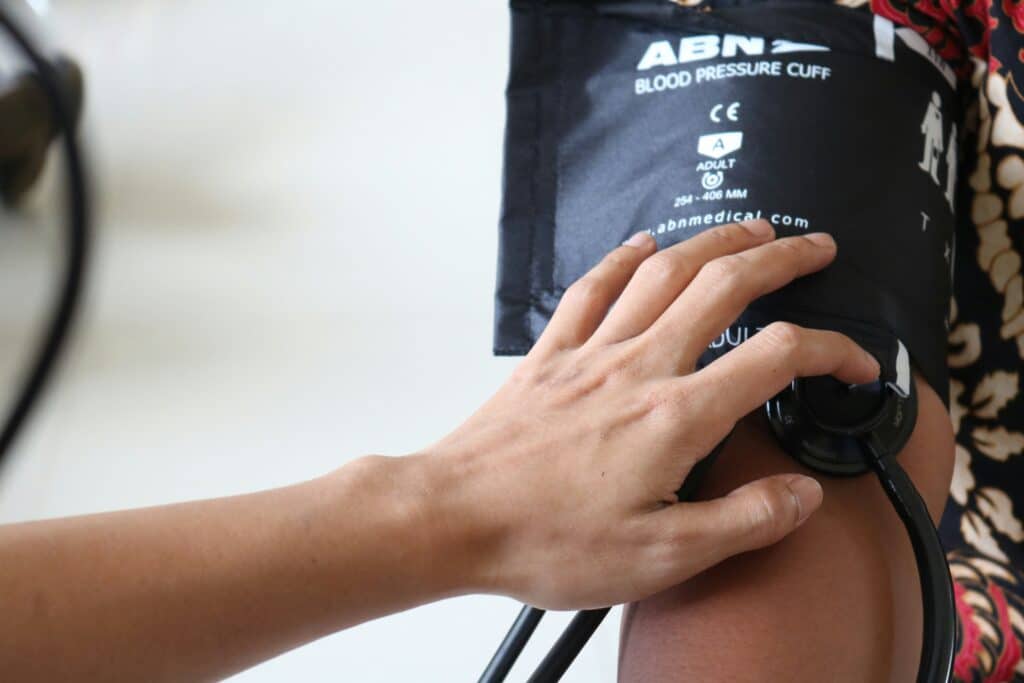
- Medical tests like blood pressure, ECG, or urine samples
- Musculoskeletal assessments for manual handling or repetitive tasks
- Sector-specific health questionnaires
Benefits of health surveillance
A well-run health surveillance programme:
- Protects people from long-term health effects
- Helps ensure legal compliance with Jersey law and HSI guidance
- Provides evidence of due diligence in case of a claim or inspection
- Reduces absenteeism and improves morale
- Identifies issues early, reducing long-term liability
Next steps for employers in Jersey
If you’re a business owner or employer in Jersey, it’s essential to:
- Carry out a workplace risk assessment identifying hazardous exposures.
- Determine the need for health surveillance based on that assessment.
- Consult a competent occupational health provider like WorkHealth Jersey to design a suitable programme.
- Maintain confidential health records, in line with Jersey’s data protection laws.
- Act on health trends, including adjusting work processes or roles when needed.
For official guidance, refer to the HSI and the UK’s HSE Approved Codes of Practice, which are widely used as best practice standards in the Channel Islands.
Final thoughts
Health surveillance is not just a regulatory tick-box – it’s a vital part of responsible health and safety management. Whether you’re running a construction firm, a manufacturing facility, or an office in Jersey, understanding and implementing the right health surveillance can protect your people, reputation, and business.